Beverage Service Rail: How Do You Order?
The beverage service rail is a rigged interface, plain and simple — a fixed-position input strip bolted onto the casino floor environment that funnels every drink request through a gated, monitored ordering path. If you think it is just a convenience feature, you are already losing edge. This rail exists to standardize throughput, cap liability, and quietly log every interaction. Ordering from it is not casual; it is a transaction inside a controlled system, and the mechanics matter.
The Physical Logic of the Rail Interface
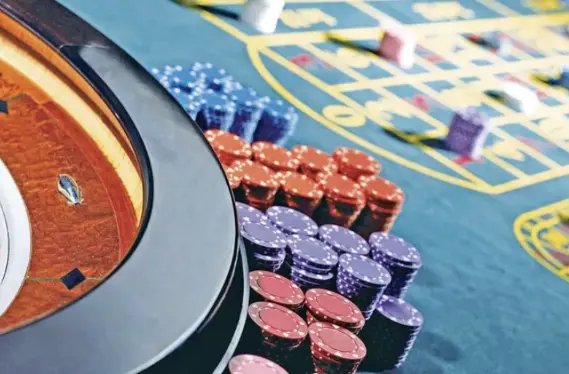
Walk up to any live pit and watch the rail. It is a horizontal service bar, usually waist-height, running parallel to the gaming positions. The rail holds a fixed set of anchored menu cards, a call button or sensor pad, and a dedicated service window. You do not wave a server down like it is a diner. The rail is a queue with hardware enforcement. Each position maps to a seat or machine ID, and the system timestamps your request against your player rating. That timestamp is the real order — the drink is downstream of it. 🎯
The ordering sequence is rigid: identify your position, press the rail call, state the beverage, and confirm the seat number. Servers read the rail log, not your face. If you skip the call and just shout, the request never enters the queue, and the floor manager sees an unlogged demand. That is a compliance flag, not a service ticket. Treat the rail as a physical input device and your beverage service rail order lands clean every time.
Signal Flow and the Ordering Protocol
Under the hood, the rail is a low-voltage sensor loop wired into the pit's service controller. Pressing the call closes the circuit, pushes a seat-tagged event to the server handheld, and starts a response clock. The clock is the whole game. Fall outside the service window and the order gets deprioritized or auto-voided depending on the property's config. This is why fast, precise input beats polite hesitation every single round. ⚡
Here is the protocol that actually works. Step one, seat yourself and confirm your position marker. Step two, trigger the rail call once — double-pressing floods the controller and can drop the event. Step three, name the drink and the seat in a single clean sentence. Step four, wait for the acknowledgment ping. No acknowledgment means no ticket. The beverage service rail is unforgiving of sloppy input, but it rewards mechanical precision with priority queue placement. Order like a machine, get served like a whale. 😎
Common Ordering Failures and the Fix
Most rejected orders trace to three faults: wrong seat mapping, ghost calls from leaning on the rail, and beverage requests outside the comp tier. The controller does not care about your intent — it reads sensor state and seat ID. Lean on the rail and you fire phantom tickets that dilute your service priority. Request a top-shelf pour above your tier and the system bounces it back to the floor manager for approval, which stalls the clock.
The fix is cold and simple. Keep your hands off the rail until you are ready to fire. Verify the seat number against the menu card before you speak. Know your comp ceiling — order inside it and the beverage service rail clears you in one pass. Push above it and you are queued behind every clean ticket on the floor. The rail is a gatekeeper, not a genie, and the players who respect its logic get the fastest pours in the house. 🥃
Latency, Priority, and the Rating Variable
Every rail press gets scored against your player rating in the pit controller. High-rated seats jump the queue; low-rated seats sit. The latency between your call and the server acknowledgment is a live readout of your standing. Watch it. A consistent sub-window response means you are inside the priority band. A drifting clock means the system has quietly demoted your seat, and no amount of charm at the rail will fix it.
Ordering from the rail is a data negotiation, not a conversation. The controller logs seat ID, timestamp, beverage class, and response delta. That log feeds the floor manager's service dashboard and your comp model. Feed it clean inputs and the rail treats you like a priority account. Feed it noise and it throttles you without a word. The rail never argues — it just queues you where your signal deserves to sit.