How to Spot a US Sweeps Casino Clone App on the App Store
A clone app hijacks the exact bundle identifier string and provisioning profile fingerprint of a legitimate US sweeps casino title, then slips past review with a repackaged binary — that is the entire attack surface, and it starts with the developer signature, not the screenshots.
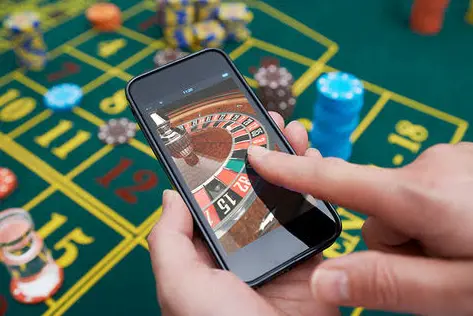
The first thing you audit is the publisher field. Real sweeps operators register under a consistent legal entity, and that entity name must match the one printed in the app's privacy manifest and on the operator's license disclosure page. Clone apps almost always use a shell LLC registered weeks before upload. Cross-reference the seller name against state gaming commission registries and the sweepstakes operator's official domain WHOIS record. A mismatch of even one character in the corporate suffix is your first red flag. 🚩
Bundle Identifier and Signature Forensics
Pull the IPA and inspect the code signature chain. A legitimate US sweeps casino app is signed with an Apple Distribution certificate tied to a verified team ID, and the provisioning profile lists entitlements like associated domains and push notifications that the operator actually controls. Clone builds frequently reuse a leaked certificate or ship with a development profile masquerading as distribution. Check the embedded mobileprovision file — if the team ID does not resolve to a known operator entity, you are looking at a repackaged shell.

Now diff the binary hash against the version hosted on the operator's own CDN or enterprise distribution channel. Clones deviate because the attacker has to re-sign and often re-inject a payload. Even a single modified Mach-O load command changes the hash. If the App Store listing version and the operator's public build diverge, treat it as compromised until proven otherwise.
Permission Manifest and Network Telemetry
Clone apps overreach on permissions. A real sweeps casino clone app asks for contacts, SMS access, or background location that no sweepstakes title ever needs. Inspect the Info.plist usage-description strings — lazy clones reuse placeholder text like "This app needs access" with no specificity. Run the app through a proxy and watch the first outbound calls. Legitimate operators hit their own first-party API domains and known payment processors. Clones beacon to freshly registered throwaway domains, often on bulletproof hosting ranges registered inside 30 days.
Review Velocity and Rating Clustering
Store review patterns expose the clone farms fast. Legitimate US sweeps casino apps accumulate organic reviews with varied timestamps and language. Clones show bursts of five-star reviews posted within a 48-hour window, all from accounts with zero other activity, and the text reads like template swaps. Sort reviews by newest and look for identical phrasing across different usernames. That is coordinated rating injection, not user sentiment.
Finally, verify the deep-link and associated-domain handshake. A genuine title routes universal links back to the operator's verified domain with a valid apple-app-site-association file. Clones break that handshake or point it at a lookalike domain with a typo in the TLD. If the associated domain does not match the operator's canonical host byte-for-byte, the app is a counterfeit — no exceptions, no appeals.